
Is This Card Worth Grading? A Complete Beginner’s Guide
If you’ve ever pulled a great card or found one sitting in your collection, you’ve probably asked yourself:
Should I grade this?
The truth is — not every card is worth grading. In fact, sending the wrong card can cost you money instead of making it.
In this guide, we’ll break down exactly how to decide if a card is worth grading, using simple rules you can apply immediately.
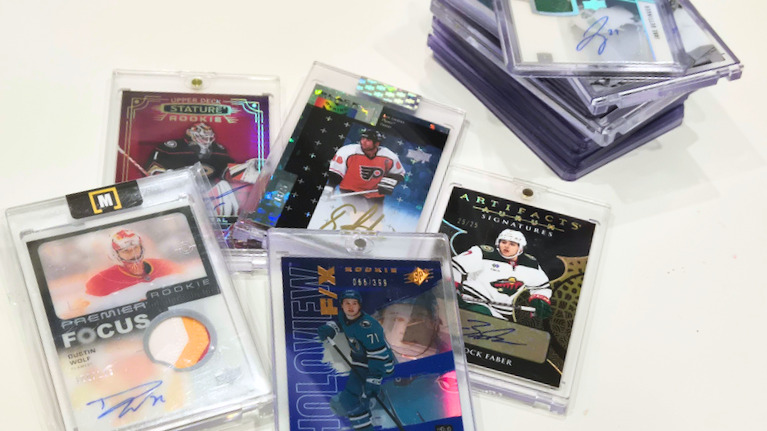
What Does “Grading a Card” Mean?
Grading is the process of sending your trading card to a professional third-party grading company for an official evaluation of its condition.
The most popular services are:
- PSA (Professional Sports Authenticator)
- BGS (Beckett Grading Services)
- SGC (Sportscard Guaranty Corporation)
These companies inspect the card’s centering, corners, edges, and surface quality, then assign it a standardized grade — usually on a scale of 1 to 10 (with 10 being perfect).
Higher grade = higher value. A well-graded card can be worth many times more than the same card in raw (ungraded) condition.
Not sure which grading company to use?
👉 Read: PSA vs SGC vs BGS — Which Should You Choose?
The 3 Questions You MUST Ask Before Grading
1. What Is the Card Worth RAW?
Before you even think about grading, check what your card sells for ungraded.
Search:
- eBay sold listings
- recent market sales
If your card is only worth $5–$10 raw, grading likely doesn’t make sense.
2. What Is It Worth Graded?
Now check:
- PSA 9 price
- PSA 10 price
Example:
- Raw: $20
- PSA 9: $40
- PSA 10: $150
Big upside potential = good grading candidate
3. What will it Cost to Grade?
Typical grading costs:
- $15–$30 per card (bulk)
- more for faster service
Also consider:
- shipping
- insurance
Your card needs enough upside to cover these costs.
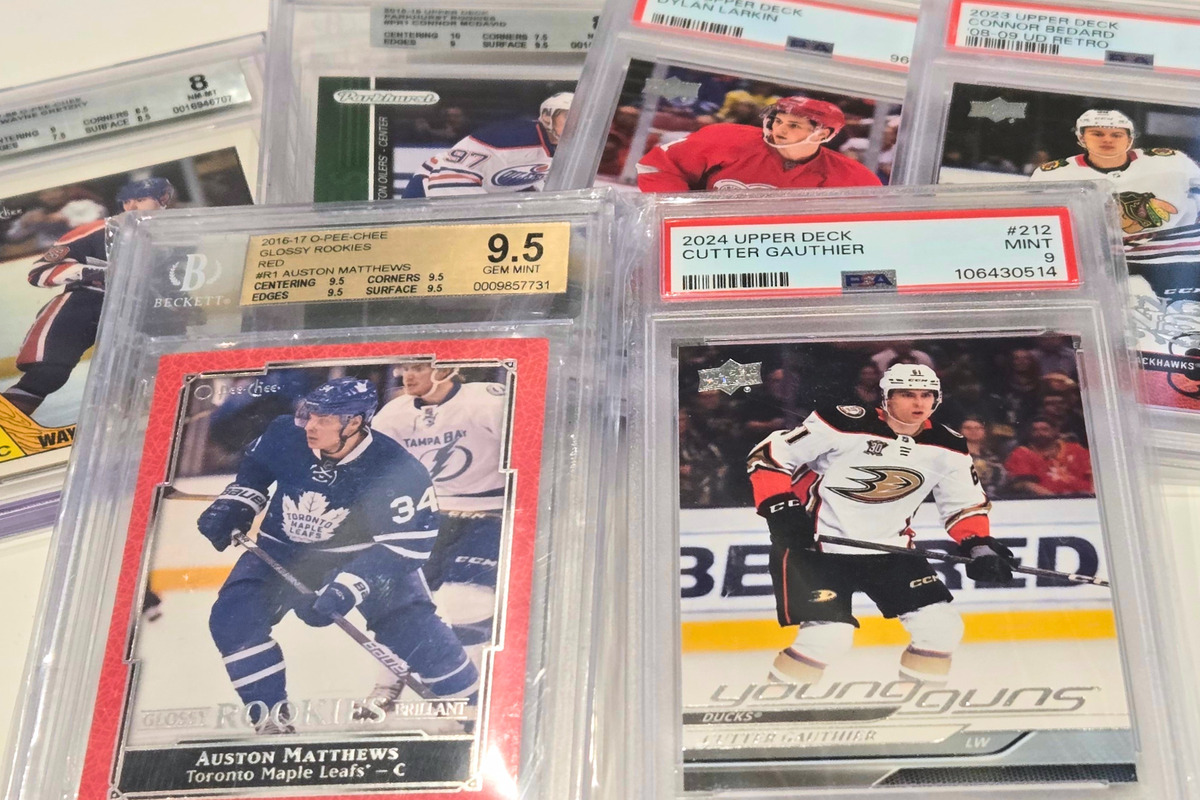
The Golden Rule of Grading
Only grade cards with strong PSA 10 potential
Because:
- PSA 9 often barely covers cost
- PSA 10 is where real profit is made
How to Tell If Your Card Can Get a PSA 10
Look at 4 key areas:
- Centering – Are borders even?
- Corners – Sharp or worn?
- Edges – Any whitening?
- Surface – Scratches or print lines?
Even small flaws can drop a card from a 10 to a 9
Want to understand exactly what gets a perfect grade?
👉 Read: What Gets a PSA 10?
When you SHOULD Grade a Card
- High-value player
- Rookie card
- Low population
- Looks near perfect
- Strong PSA 10 upside
When You Should NOT Grade
- Low-value card
- Visible flaws
- Overproduced junk wax
- No price difference graded
Quick Example
Let’s say you have:
- Raw value: $25
- PSA 9: $45
- PSA 10: $120
- Grading cost: $20
If it gets a 9 → you barely break even. If it gets a 10 → strong profit
Only grade if it looks VERY clean
Still unsure about the risk?
👉 Read: PSA 9 vs PSA 10 — Is Grading Worth It?
Final Thoughts
Grading isn’t just about sending cards — it’s about making smart decisions.
If you focus on:
- value
- condition
- realistic upside
You’ll avoid wasting money and build a stronger collection.
Next Step
Want to go deeper?